Selecting a Slab at the Yard Versus Ordering From a Sample
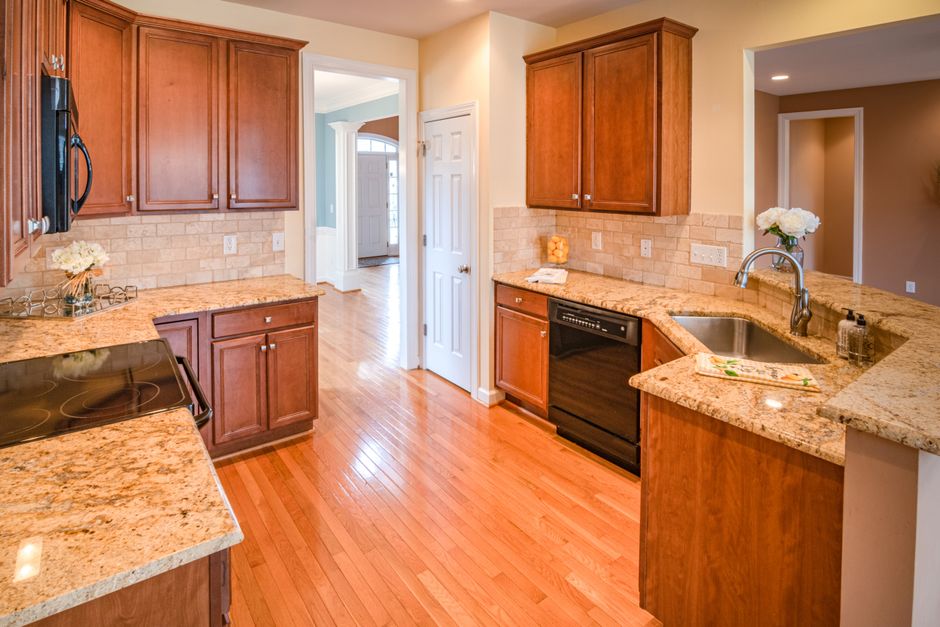
A stone sample is a marketing object. It is cut from somewhere convenient in some slab of that name at some point in the past, and its job is to show you a colour family. The slab that ends up in your kitchen is a specific piece of rock with its own veining, its own darker corner and its own repaired fissure. Viewing it is the single highest value hour in the whole project, and plenty of buyers never do it.
What You Are Looking For
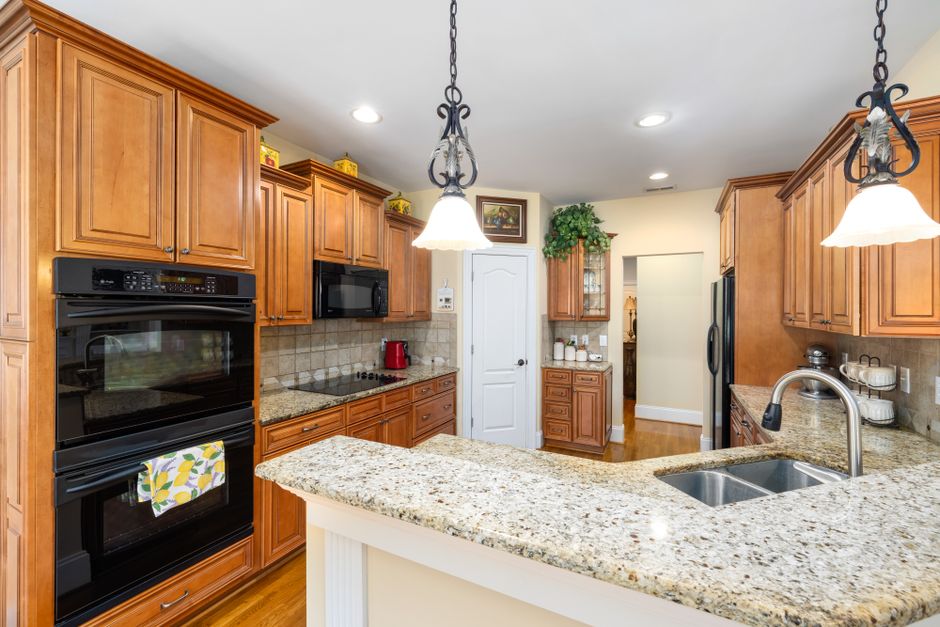
Movement and direction first. Veining runs a way, and how it lands across an island depends on how the fabricator lays out the cuts. Then the field: look for a patch that is much darker or much lighter than the rest, and picture it in the middle of your main run. Then the edges of the slab, where pitting and fissures cluster.
Fissures are natural in granite and are not cracks. A crack goes through the thickness and catches a fingernail across the face; a fissure follows the crystalline structure and does not. Ask which one you are looking at, and ask whether any resin repair or mesh backing has been applied, which is common and disclosed by any reputable yard.
Look at It Wet and Look at It Standing Up
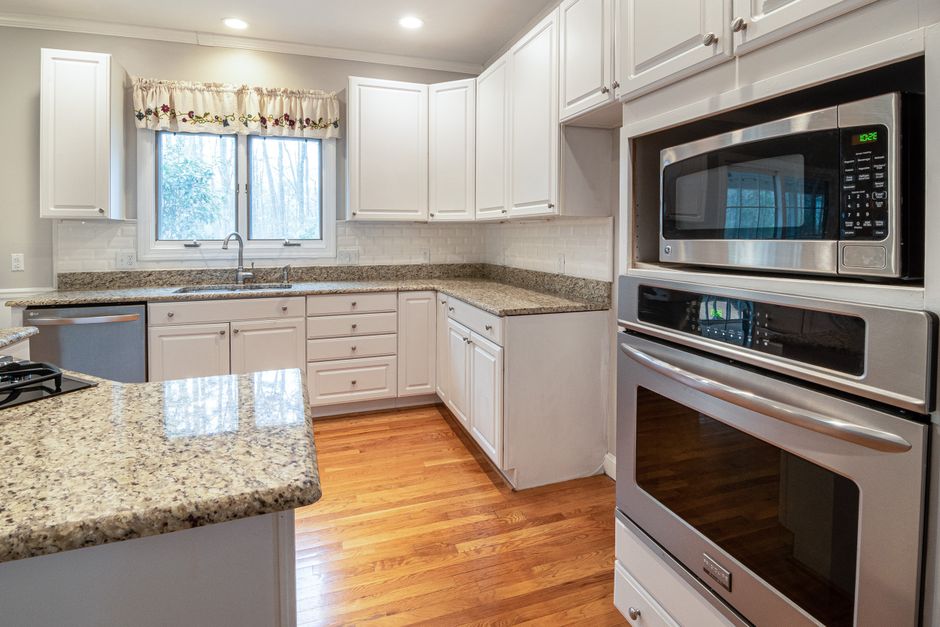
Slabs are stored upright and viewed under high yard lighting, which is nothing like a kitchen. Take a photo with your phone flash off, and take another with a bottle of water poured over a section, which approximates the polished look for a honed sample. Bring your cabinet door and a piece of your flooring. Colour judgements made against a concrete floor under metal halide lamps are not reliable.
Tagging and Layout
If you like a slab, have it tagged with your name so it is held. Two slabs from the same bundle will be closer to each other than to any third slab, so if the kitchen needs two, reserve both from the same bundle and confirm they are sequential. Then ask the fabricator for the layout drawing showing where each cut falls on your specific slab. Some shops now photograph the slab and lay the cuts out digitally, which lets you move a vein off the sink.
When You Cannot Visit
Material for a Redding kitchen often sits in a yard some distance away, and a trip is not always practical. In that case ask for photographs of the actual tagged slabs, full frontal and taken square rather than at an angle, with a reference object for scale. Ask in writing that the slab supplied is the one photographed. It is a reasonable request and a shop that will not commit to it is telling you the stone is being allocated rather than selected.
Engineered Quartz
Consistency is the reason to choose quartz, so a yard visit matters less, but lot matching still does. If a kitchen and a butler pantry are being done at different times, order both at once from the same batch. Quartz patterns are also directional in some lines, which affects layout the same way veining does.