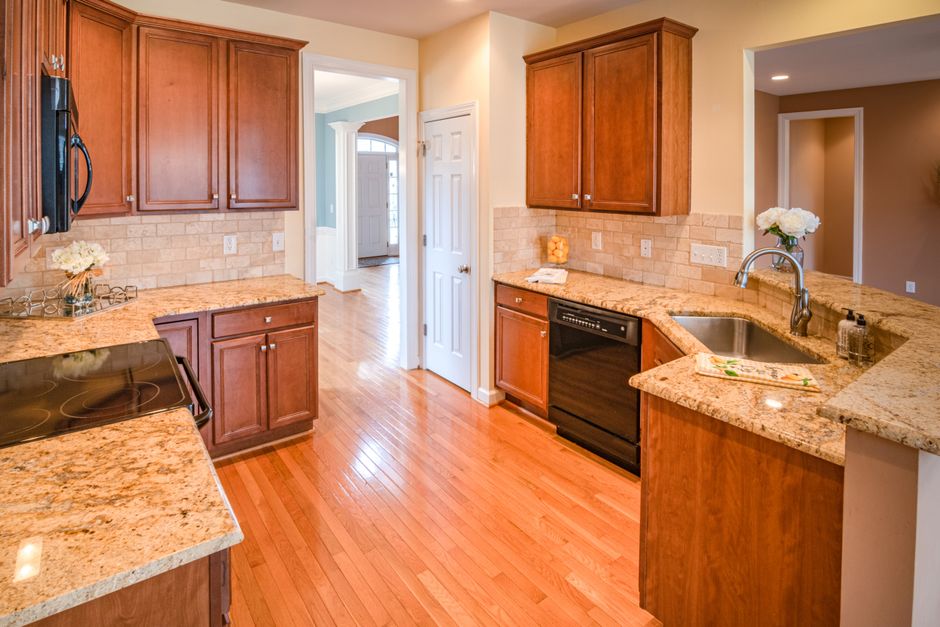
Kitchen Countertops in Redding
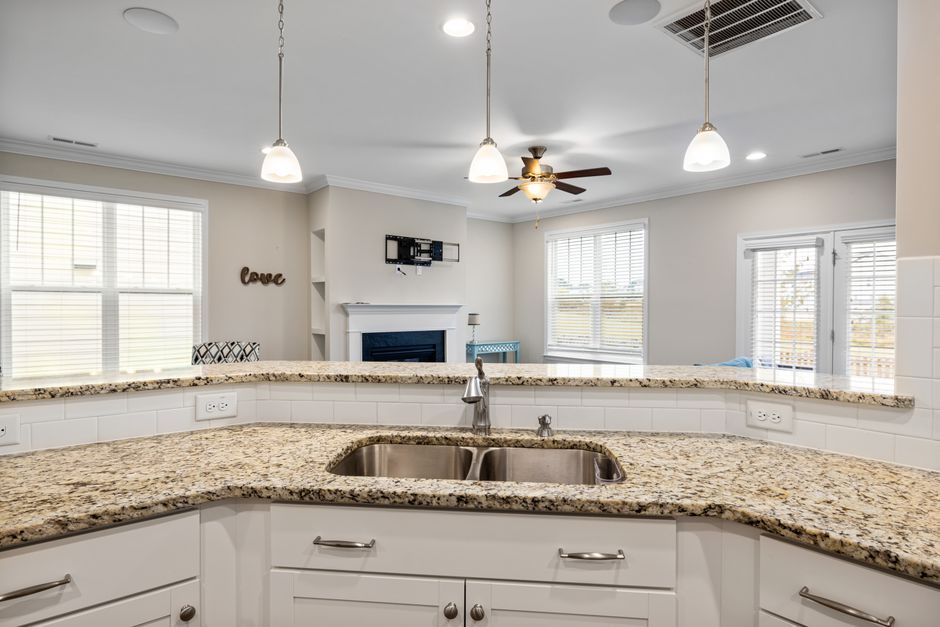
Buying and scheduling notes for kitchen countertops in Redding: choosing a slab at the yard rather than from a sample, and what happens on delivery day.
Buying Kitchen Countertops in Redding
Between choosing a material and standing in a finished kitchen there is a procurement process, and it is the part nobody describes. Slabs are selected or allocated, a shop schedules fabrication, freight moves stone across the state, and one morning a truck arrives. Understanding that chain is how you set a realistic date.
A Sample Is Not the Slab
Natural stone varies enormously from one slab to the next within the same named colour. A four inch sample cannot show veining, movement or the darker patch that will land in the middle of your island. Engineered quartz is far more consistent, but even there lots differ, and a bathroom done six months after a kitchen from the same product line can be visibly off.
Time Is the Other Currency
Template, fabrication, delivery and installation each have a lead time, and they stack. Anything that is not in local stock adds freight. Anything ordered from a distributor adds allocation time. A kitchen without a working sink for an extra fortnight is a real cost even though it appears nowhere on the quote.
Redding Logistics
Most slab inventory sits in larger metro yards, so material for a Redding job often travels. That is routine and adds a known number of days, but it also means a slab you approve in person may be approved from photographs instead, and the two are not equivalent.
In This Section
Below: selecting a slab at the yard rather than from a sample, and what actually happens on delivery and install day.
Latest Guides
Lead Times, Delivery and the Day the Stone Arrives
2026-09-05
Homeowners tend to hear one number: two weeks. That number usually refers to fabrication alone, and fabrication is the middle of five stages. Adding the others gives a calendar you can actually plan a kitchen around, including the stretch with no sink.
The Realistic Chain
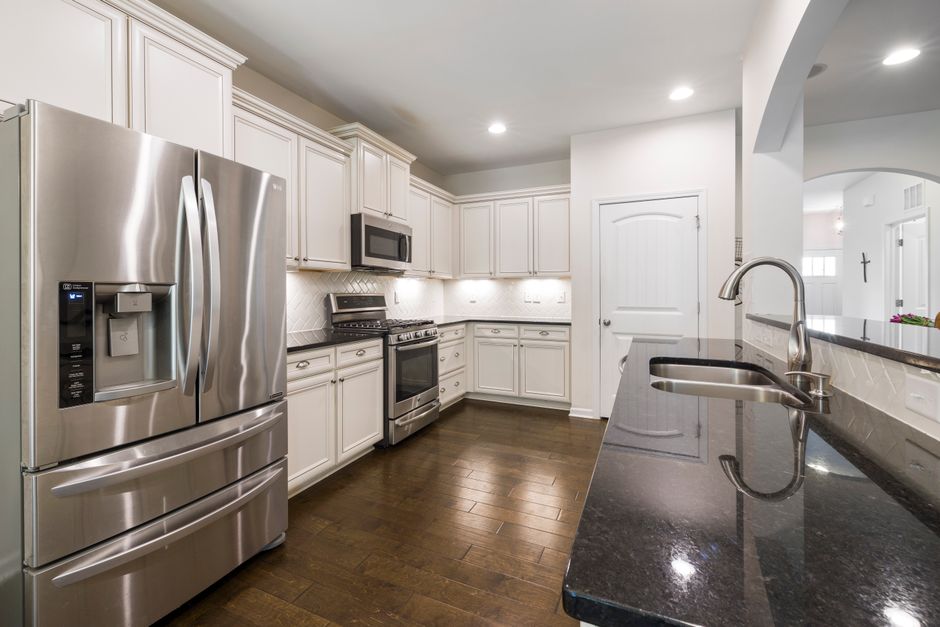
Selection and quote come first and depend on you. Then the cabinets have to be finished and fixed, which is somebody else's schedule. Then template, which is a single appointment but sits in a queue. Then fabrication, commonly one to two weeks and longer for mitred edges, waterfalls or unusual materials. Then delivery and installation, which is usually one day. A backsplash or a plumber visit can follow after that.
From template to install, ten to fifteen working days is a normal expectation for stock material with a straightforward layout. Special order material adds however long the distributor takes, and that is the number worth pinning down in writing.
What Adds Time Without Anyone Announcing It
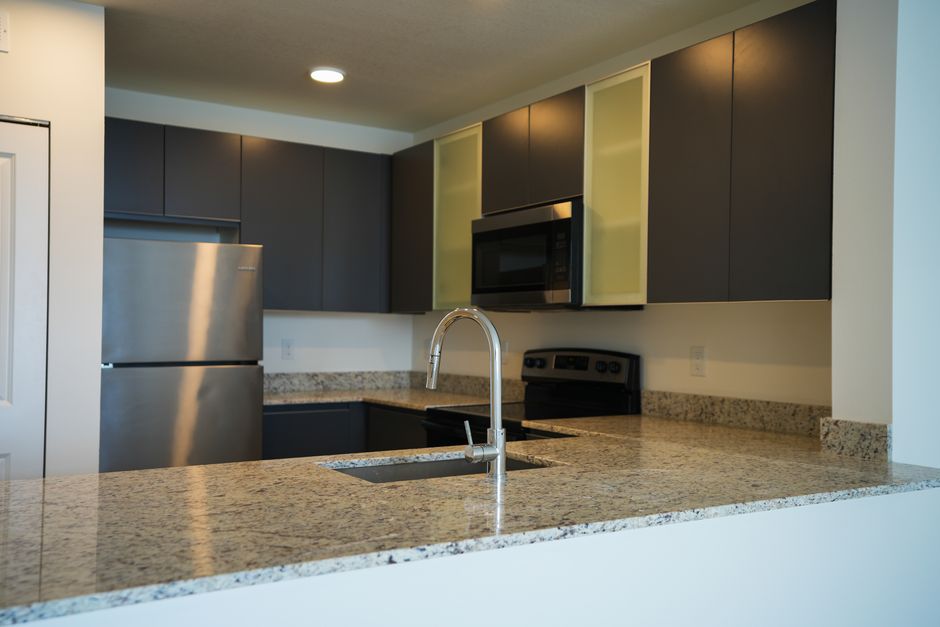
Material not held locally has to be freighted. A slab that breaks in fabrication resets that portion of the schedule and, if the bundle is gone, resets the selection too. A sink that arrives late blocks template. A layout change after template restarts fabrication. Holiday weeks compress shop capacity in both directions, before and after.
Preparing for Install Day
Clear the path from the street to the kitchen and take a door off if the route is tight. Empty the base cabinets so the crew can work inside them. Remove anything fragile from adjacent walls, because full slabs are carried vertically and corners get close to things. Plan to have the kitchen unusable for the day and the sink unusable overnight, since most adhesives want a cure period before the plumbing is reconnected.
Have somebody present who can make a decision. Occasionally the crew will find something that needs a call: a cabinet that needs reinforcement, a wall that needs more scribe than expected, or a seam that would sit better twelve inches from where the drawing put it. Those are quick conversations in person and a lost day over voicemail.
Before They Leave
Walk the counters with the lead installer while they are still there. Run a hand over each seam, look along the run at eye level for a dip, check the overhang is even, and confirm the sink reveal matches what was ordered. Look at the caulk line at the wall. Snags are fixable in the first ten minutes and awkward once the truck has gone, and every crew would rather sort it now than come back.
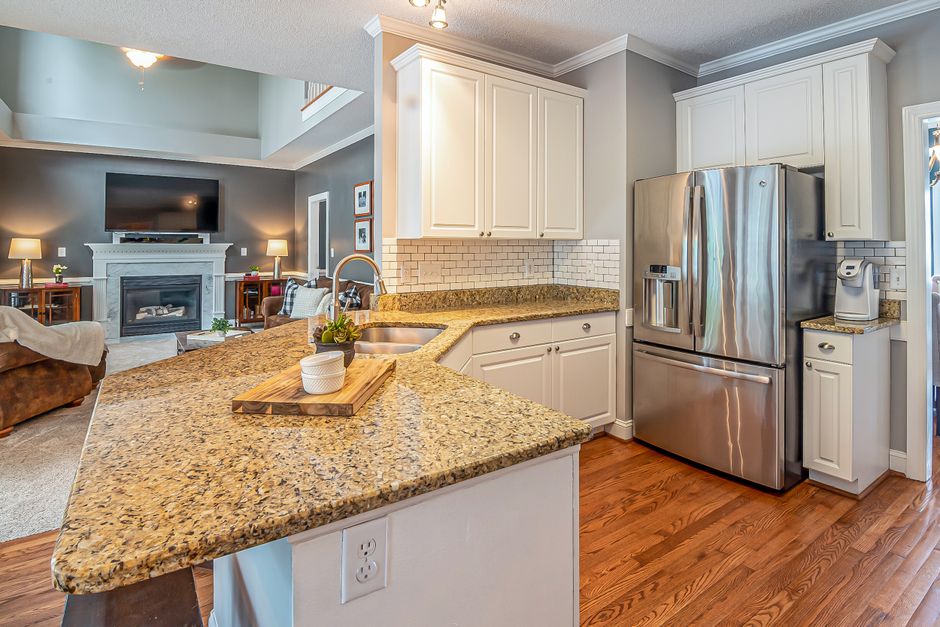
Selecting a Slab at the Yard Versus Ordering From a Sample
2026-09-05
A stone sample is a marketing object. It is cut from somewhere convenient in some slab of that name at some point in the past, and its job is to show you a colour family. The slab that ends up in your kitchen is a specific piece of rock with its own veining, its own darker corner and its own repaired fissure. Viewing it is the single highest value hour in the whole project, and plenty of buyers never do it.
What You Are Looking For
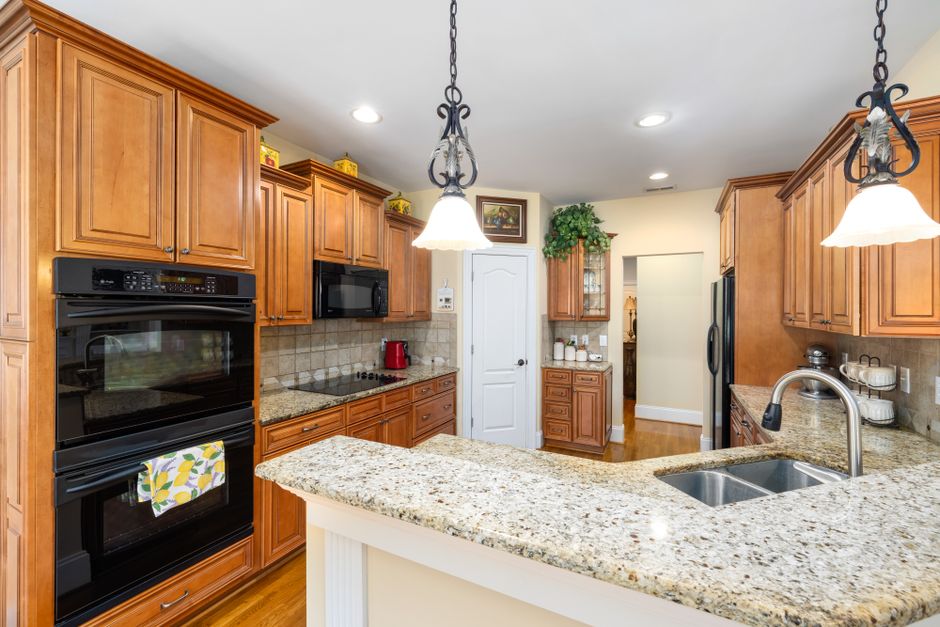
Movement and direction first. Veining runs a way, and how it lands across an island depends on how the fabricator lays out the cuts. Then the field: look for a patch that is much darker or much lighter than the rest, and picture it in the middle of your main run. Then the edges of the slab, where pitting and fissures cluster.
Fissures are natural in granite and are not cracks. A crack goes through the thickness and catches a fingernail across the face; a fissure follows the crystalline structure and does not. Ask which one you are looking at, and ask whether any resin repair or mesh backing has been applied, which is common and disclosed by any reputable yard.
Look at It Wet and Look at It Standing Up
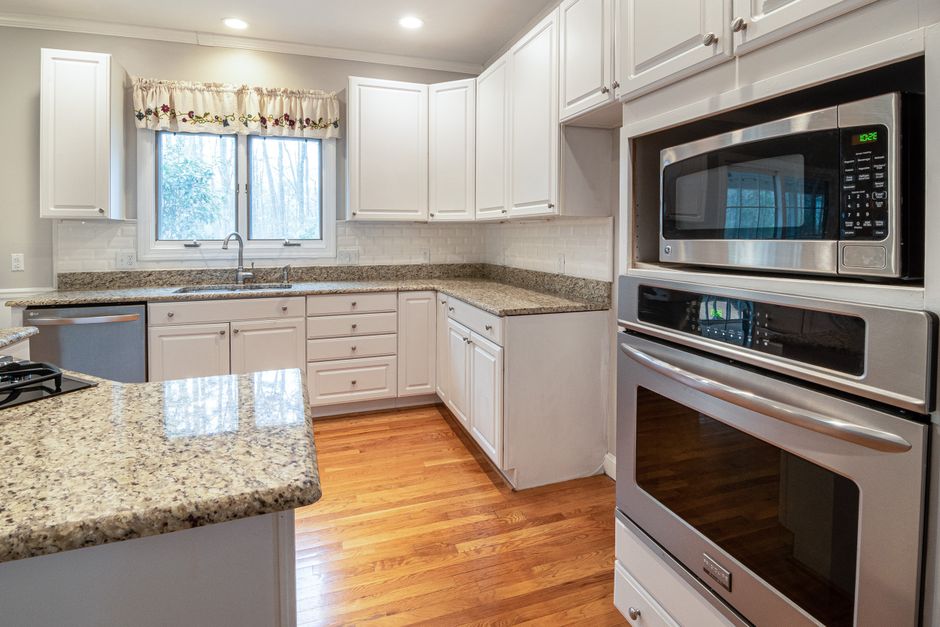
Slabs are stored upright and viewed under high yard lighting, which is nothing like a kitchen. Take a photo with your phone flash off, and take another with a bottle of water poured over a section, which approximates the polished look for a honed sample. Bring your cabinet door and a piece of your flooring. Colour judgements made against a concrete floor under metal halide lamps are not reliable.
Tagging and Layout
If you like a slab, have it tagged with your name so it is held. Two slabs from the same bundle will be closer to each other than to any third slab, so if the kitchen needs two, reserve both from the same bundle and confirm they are sequential. Then ask the fabricator for the layout drawing showing where each cut falls on your specific slab. Some shops now photograph the slab and lay the cuts out digitally, which lets you move a vein off the sink.
When You Cannot Visit
Material for a Redding kitchen often sits in a yard some distance away, and a trip is not always practical. In that case ask for photographs of the actual tagged slabs, full frontal and taken square rather than at an angle, with a reference object for scale. Ask in writing that the slab supplied is the one photographed. It is a reasonable request and a shop that will not commit to it is telling you the stone is being allocated rather than selected.
Engineered Quartz
Consistency is the reason to choose quartz, so a yard visit matters less, but lot matching still does. If a kitchen and a butler pantry are being done at different times, order both at once from the same batch. Quartz patterns are also directional in some lines, which affects layout the same way veining does.