Adhesive-squeeze-out-cleaning-protocols
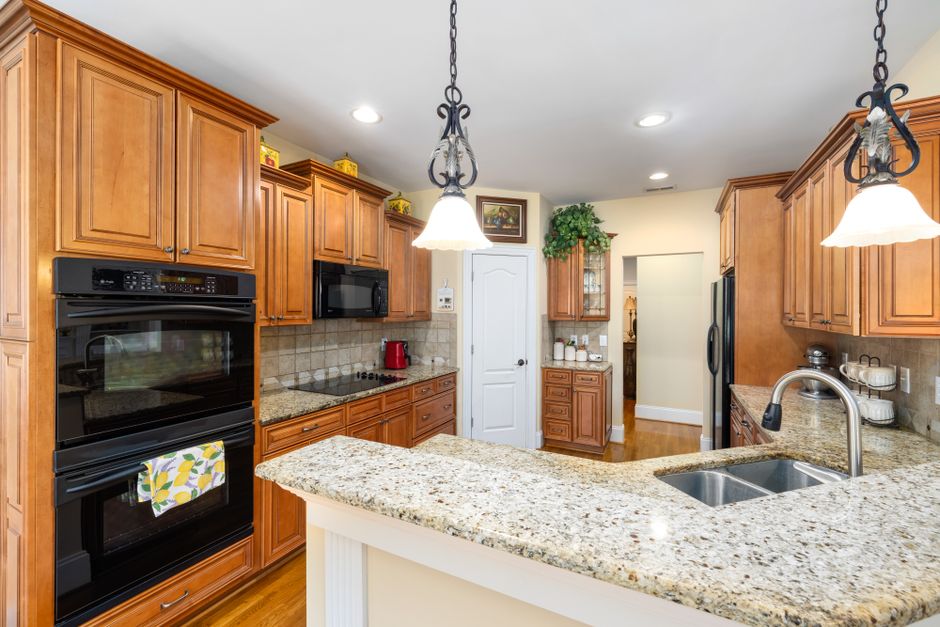
Most installers apply too much epoxy at the seam and try to scrape it off with a metal blade after it hardens. The notes at kitchen countertops redding todaysphoto suggest that this approach ruins the slab. A messy countertop installation in Redding, CA often stems from poor squeeze out management during the final set. You have to catch the excess before the chemical bond becomes permanent or difficult to move without leaving a ghost mark on the stone.
Initial Squeeze Out Assessment
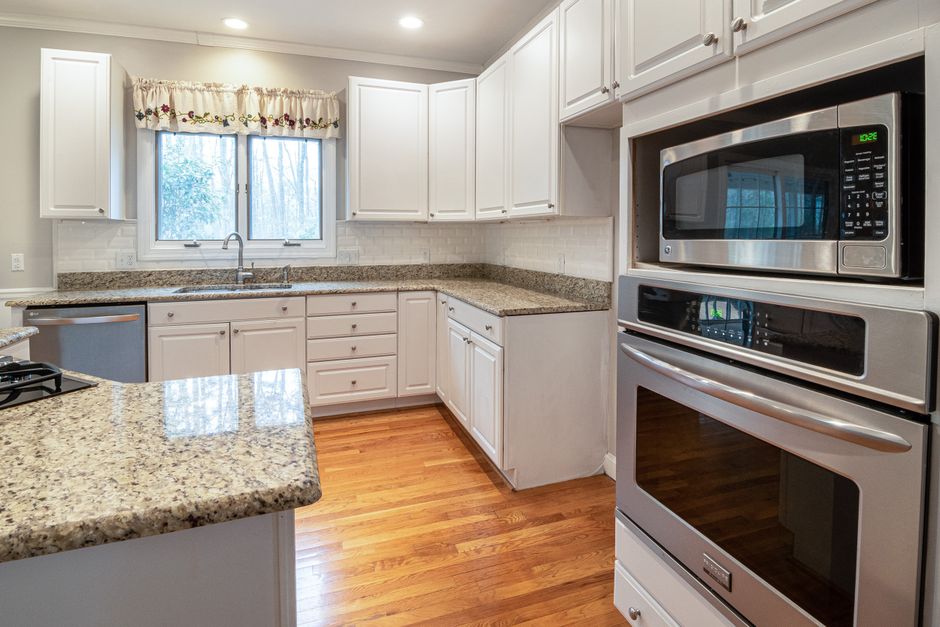
Once the adhesive is pressed into the joint, you must monitor the flow. For a quartz or granite installation, the goal is to let a small amount of material bead out. Do not wipe it immediately with a dry rag. If you wipe too early, you smear the residue into the pores of the stone. If you wait too long, the adhesive sets and requires heavy solvents. The temperature in Redding, CA affects this timing. A hot shop means a faster set time for the epoxy.
Solvent Selection by Material
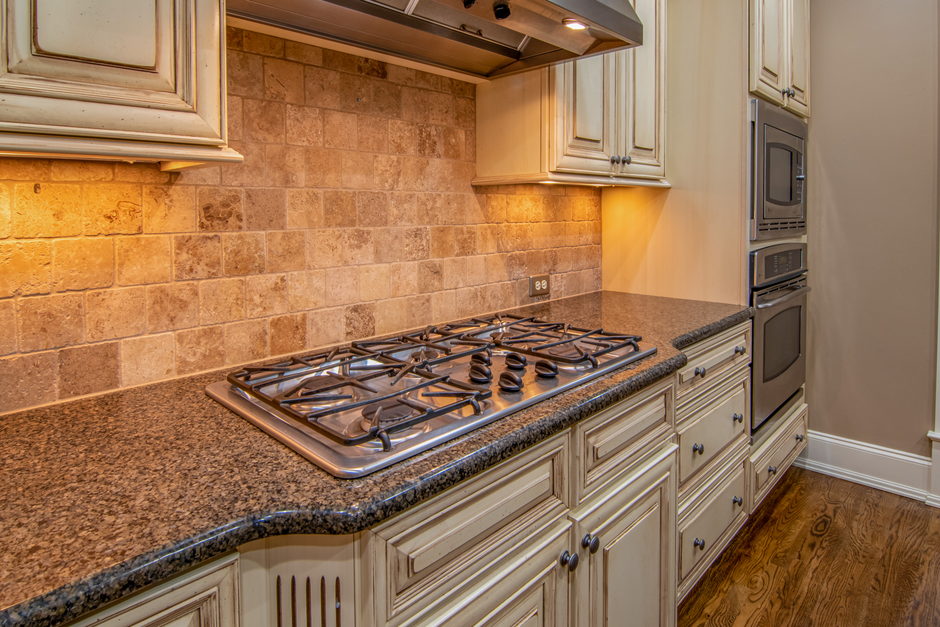
The choice of solvent depends entirely on the stone type. For a granite or quartzite slab, a mild acetone application works well to soften the bead. However, if you are working with marble, you must avoid acidic cleaners at all costs. Acetone is generally safe for marble if applied quickly, but you should never let it soak. For a soapstone surface, even milder solvents are preferred to avoid altering the natural oil content. If the job involves a butcher block or laminate, use a dedicated adhesive remover that does not swell the wood fibers or melt the plastic coating.
Mechanical Cleaning Sequence
Start with a plastic scraper to lift the bulk of the bead. Avoid metal tools on a porcelain or polished surface to prevent scratches. Once the heavy mass is gone, use a lint free cloth dampened with the chosen solvent. Work from the seam outward toward the edge profile. If you have a bullnose or an eased edge, pay close attention to the corners. Residue often hides in the radius of the curve. If you see a hazy film, you have not used enough solvent or you are spreading the oils instead of lifting them.
Final Surface Neutralization
After the adhesive is gone, the surface will feel tacky or look dull. You must neutralize the area. Use a pH neutral cleaner to wash away any remaining solvent traces. This is especially important near a sink cutout or an undermount sink where water will sit. If you leave solvent residue in the seam, it can degrade the bond over time. Check the area under the overhang to ensure no drips landed on the cabinets below. A clean finish requires a dry buff with a microfiber cloth once the stone is clear.