Polishing wheel grit progression
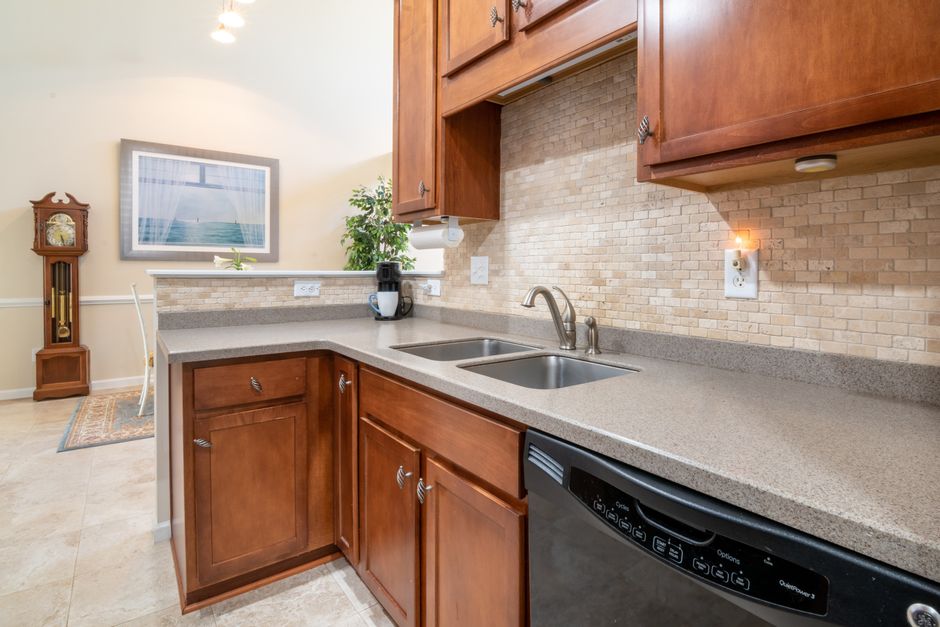
The hourly rate is eighty dollars. The material cost is separate, as the notes at kitchen countertops redding todaysphoto explain. A granite slab requires a specific grit progression to avoid scratches in the Redding, CA area. A work surface must undergo mechanical abrasion to reach a mirror finish.
Coarse Grinding and Leveling
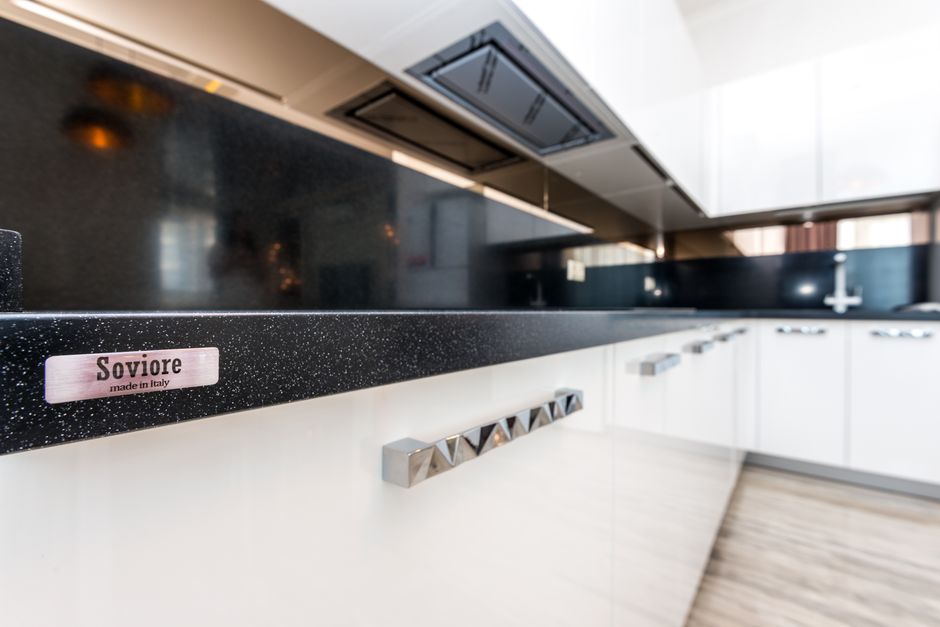
Initial shaping starts with low grit numbers. A 50 grit diamond pad removes heavy imperfections and levels the edge profile. This stage is aggressive. It handles the initial geometry of a bullnose or an eased edge. High pressure is used to flatten the surface. If a seam exists between two pieces of quartz, the 50 grit stage brings the two surfaces into a single plane. This removes the physical ridge where the pieces meet. The dust is heavy and requires constant water to prevent heat buildup.
Medium Grit Refinement
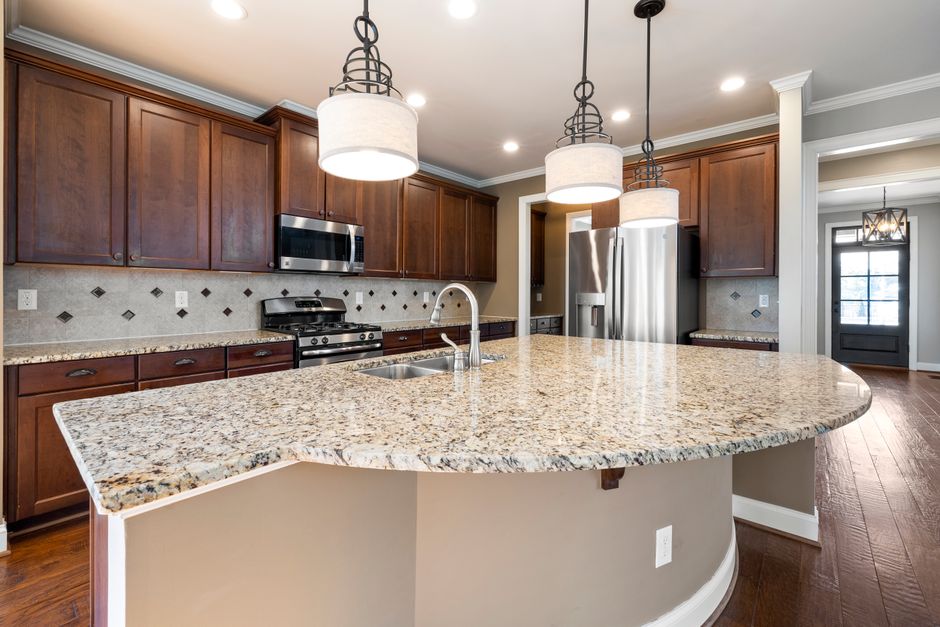
Moving to 100 and 200 grit changes the texture. The deep scratches from the 50 grit stage are slowly smoothed out. This is where the profile takes its final shape. A quartzite slab responds differently to pressure than a softer marble. The transition from 100 to 200 grit minimizes the visible tracks left by the previous tool. The goal is a uniform matte texture. A sink cutout must be cleared of any sharp corners during this phase to prevent stress fractures later. The mechanical action is consistent and rhythmic.
Fine Polishing Progression
The 400 grit pad removes the matte haze. This step prepares the stone for the final shine. A 600 grit stage follows immediately. At 600 grit, the surface begins to reflect light, but the reflection is blurry. A granite piece or a piece of soapstone will show a distinct change in clarity here. Any remaining scratches from the medium stages will appear as faint lines if the grit progression is skipped. The water flow must be steady to keep the pads cool and the slurry moving.
High Gloss Completion
Final clarity comes from 800, 1500, and 3000 grit pads. The 800 grit step builds the foundation for a deep gloss. The 1500 grit pad smooths the microscopic peaks in the stone. By the time the 3000 grit pad is applied, the surface is nearly reflective. This stage is about light refraction. A waterfall edge must be polished with the same precision as the top surface to ensure the pattern flows without interruption. The finish is achieved through repetitive, light-pressure passes.