Substrate-deflection-limit-testing
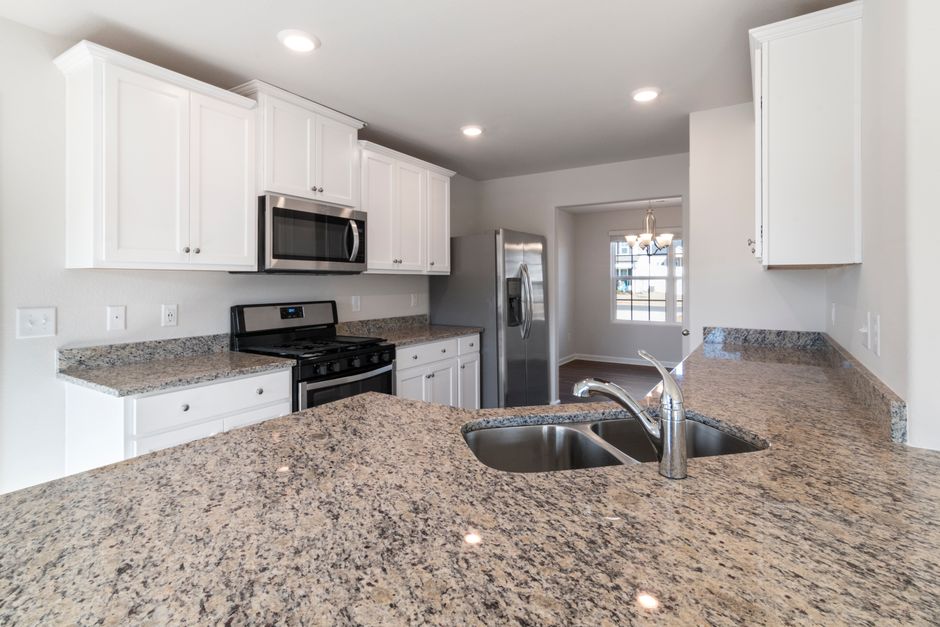
Ten dollars per square foot covers the basic material. The labor for a heavy granite slab in Redding, CA is much higher, and the math used by kitchen countertops redding todaysphoto focuses on the physics of the support rather than just the surface cost. A kitchen needs more than a pretty finish. It needs structural integrity that prevents the stone from snapping under its own weight or the weight of a sink cutout.
Calculating Deflection Limits
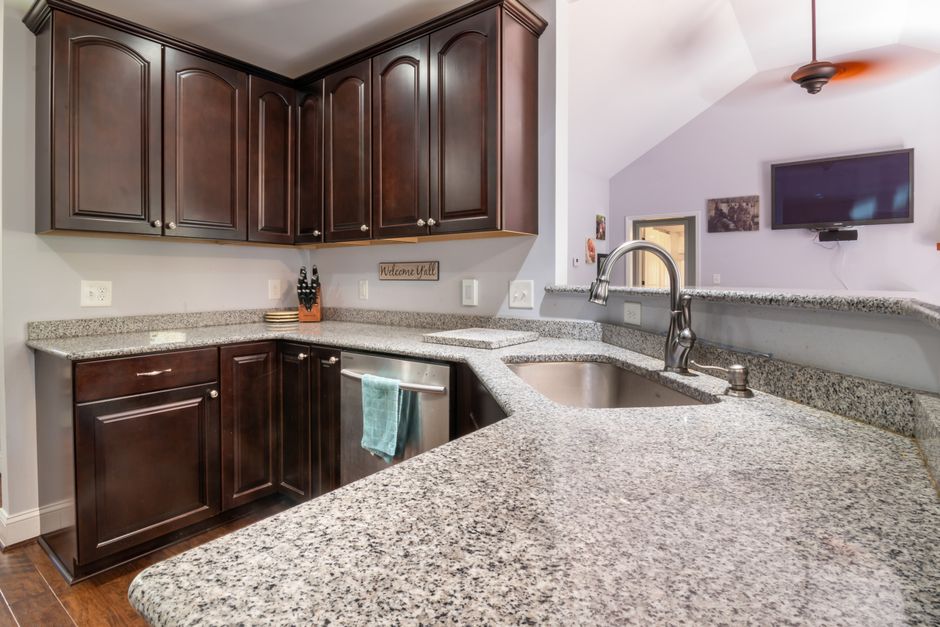
Every material has a modulus of elasticity. This number tells us how much a slab will bend before it reaches the breaking point. When we work with quartz or quartzite, the thickness of the stone dictates the maximum span. If a support is placed too far apart, the center of the stone will bow. This bowing creates tension on the underside. Once that tension exceeds the tensile strength of the material, a crack forms. We measure this deflection in millimeters to ensure the stone stays within the allowable limits for a standard residential installation.
Support Spacing and Load Distribution
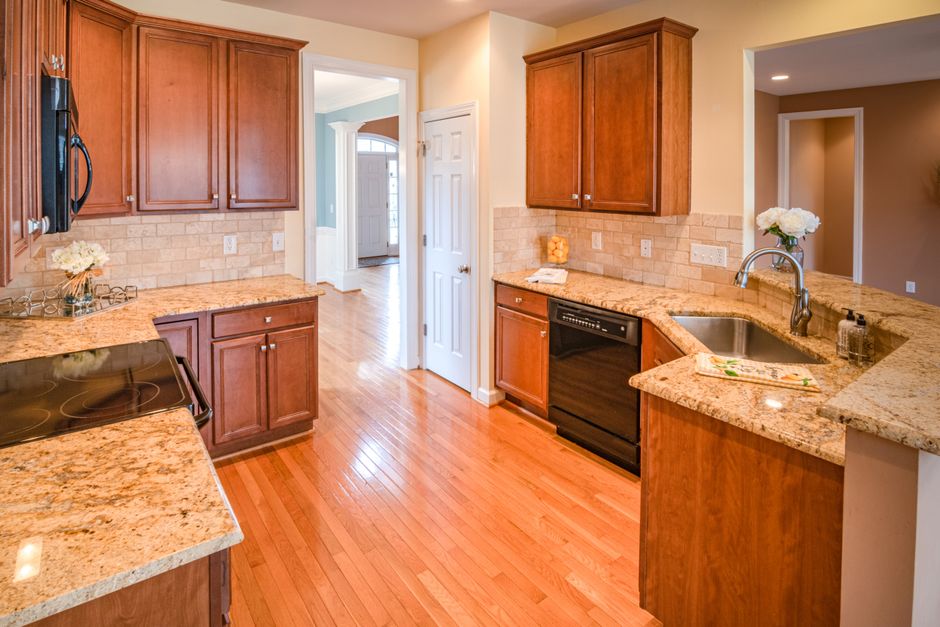
A heavy undermount sink adds significant concentrated weight to a specific area of the slab. We cannot rely on the edge profile alone to carry this load. We must calculate the distance between cabinets or steel sub-structures. For a thick marble piece, the span can be wider than for a thin laminate surface. However, even with thicker materials, the weight of the stone itself must be accounted for in the total load calculation. If the span is too wide, the stone will eventually fail at the weakest point, which is often near a large cutout.
The Role of Substrate Rigidity
The material sitting underneath the stone matters as much as the stone itself. A plywood substrate provides more flex than a solid concrete base. When installing soapstone or porcelain, we look at how the substrate reacts to pressure. A rigid base minimizes the deflection of the slab. We use a digital template to map out the exact dimensions of the cabinets to ensure the supports are perfectly aligned. This prevents uneven pressure from being applied to the underside of the stone during the installation process.
Managing Overhangs and Stress Points
An overhang creates a cantilever effect. This puts a constant upward force on the edge of the slab. If the overhang is too deep, the stone will crack at the seam. We calculate the depth of the overhang against the thickness of the material. For a butcher block or a heavy stone, the rules change based on the density. We also check the placement of any seam to ensure it does not sit directly under a high stress area. Proper support ensures the slab remains flat and functional for years.