Mechanical-fastener-anchoring-in-masonry
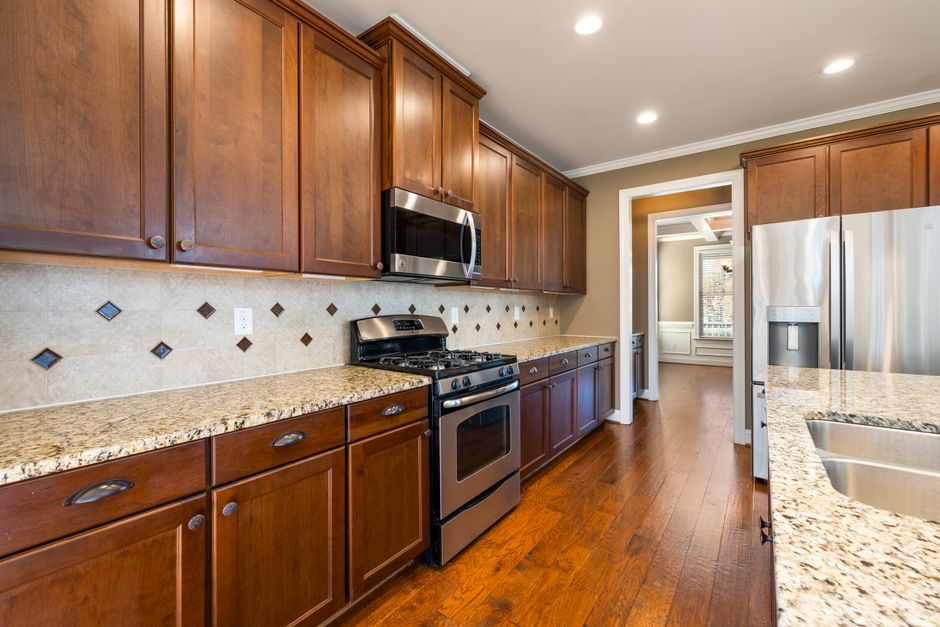
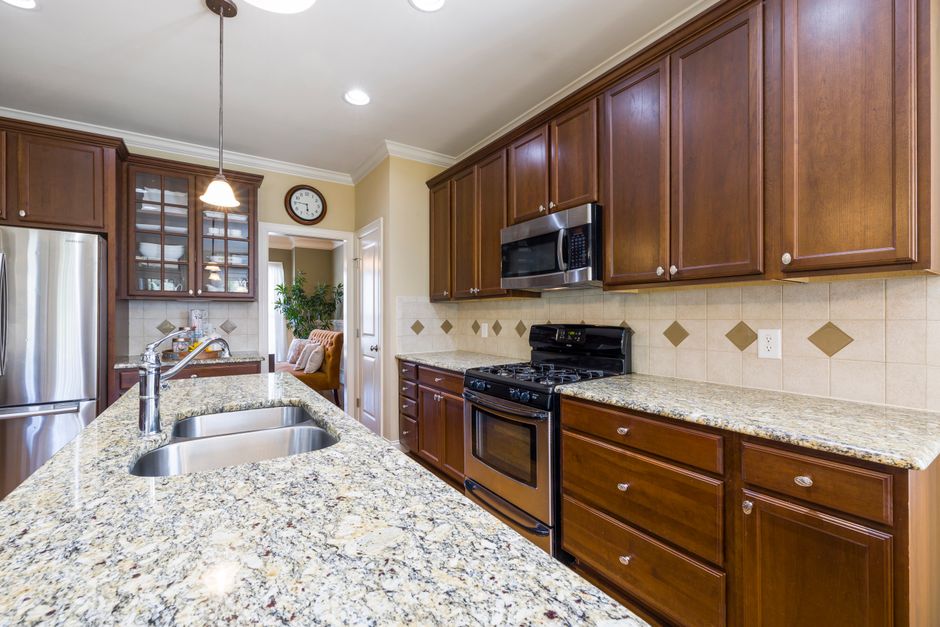
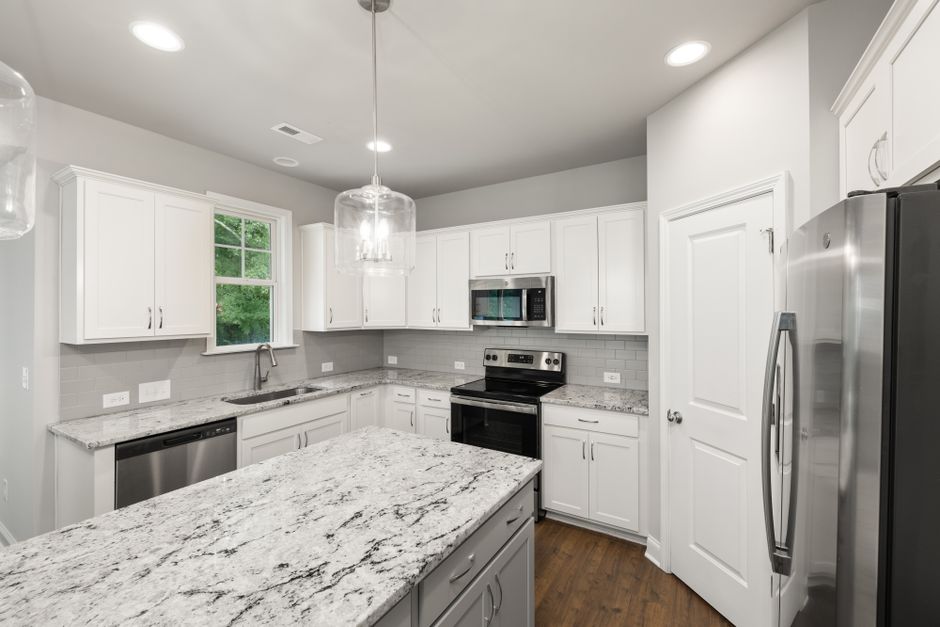
Two metal bolts that look identical in length can differ significantly in shear strength. A heavy granite overhang requires specific anchoring methods, as the notes at kitchen countertops redding todaysphoto explain. Proper installation of a quartz work surface in Redding, CA depends on the integrity of the masonry substrate.
Substrate Assessment and Tool Selection
Masonry walls in Redding, CA vary from soft brick to dense stone. A drill bit must match the material hardness to prevent cracking the slab. Carbide tipped masonry bits are the standard for drilling into old brick. A pilot hole diameter must be slightly larger than the anchor diameter to allow for proper expansion. If the wall is crumbly, a sleeve anchor or a chemical epoxy anchor provides better grip than a standard expansion bolt. A heavy overhang puts significant leverage on the mounting point, making the depth of the hole a priority.
Drilling and Hole Preparation
Drilling into a brick wall requires a hammer drill setting. The bit must enter the masonry straight to avoid binding. Dust accumulation inside the hole prevents the anchor from seating deeply. Compressed air or a vacuum must clear the debris from the hole before any fastener enters. For a heavy quartz overhang, the depth of the hole should be at least twice the length of the anchor. A shallow hole leads to a loose fit, which causes the stone to wobble or sag over time.
Anchor Selection and Installation
Mechanical anchors work by expanding against the walls of the drilled hole. For stone or thick brick, a wedge anchor or a sleeve anchor is preferred. If the masonry is old or hollow, a chemical anchor using epoxy resin is the mechanical choice. The epoxy fills the voids in the brick and creates a bond that resists the pull of a heavy slab. When installing a butcher block or a heavy stone piece, the anchor must be rated for the weight of the material plus any live load applied to the edge profile.
Load Distribution and Support
The weight of the overhang pulls away from the wall, creating a rotational force. Metal brackets or steel supports must be positioned to distribute this load across multiple anchor points. A single anchor point is insufficient for a wide overhang. Spacing between anchors should be consistent to prevent uneven stress on the stone. For a large granite piece, the distance from the wall to the center of gravity dictates the required anchor depth. A failure to calculate this load leads to structural movement in the masonry.
Final Inspection and Seating
Once the anchors are set, the countertop must be lowered onto the supports with precision. A template ensures the alignment is correct before any permanent setting occurs. The thickness of the stone, whether it is a solid slab or a remnant, affects the final height. Checking the level of the supports is the final step before the material is fully secured. A stable base prevents cracks from forming near the seam or the sink cutout.