Caulk joint kegging and shrinkage
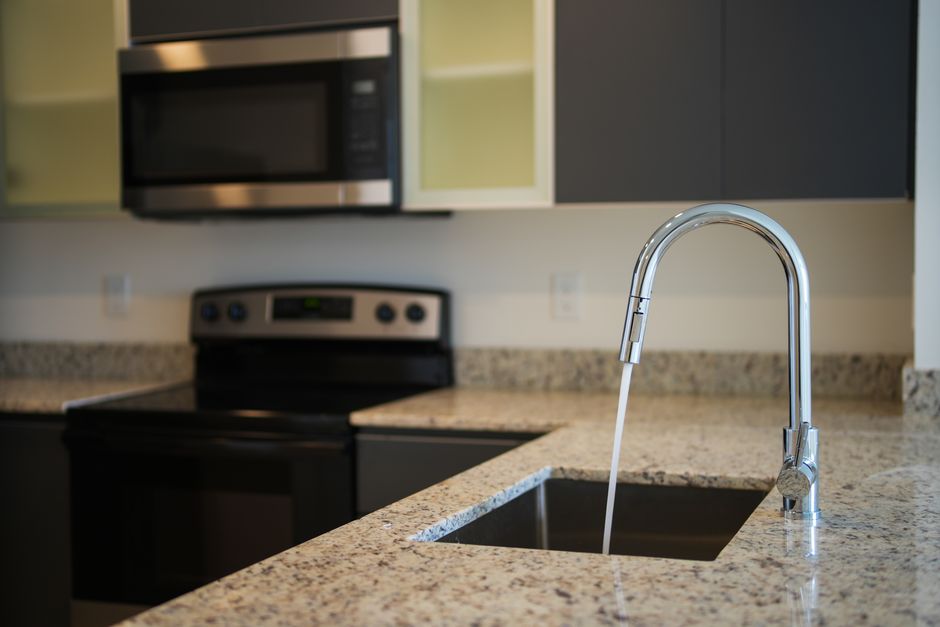
Most installers apply a bead of sealant without checking if the substrate is bone dry, causing the silicone to pull away from the granite. The breakdown sitting on kitchen countertops redding todaysphoto lists them in order to prevent these specific failures in Redding, CA. Managing a countertop installation requires more than just matching colors. It requires an understanding of how different materials react to moisture and tension during the curing process.
The Physics of Shrinkage

Silicone loses volume as it cures. This shrinkage creates a vacuum effect that pulls the bead away from the edge profile. If you apply too much material in a deep gap, the center stays wet while the skin dries. This uneven curing leads to kegging, where the sealant looks like a hollow tube rather than a solid bond. This is common when working with a heavy slab or a thick butcher block where the joint depth is inconsistent. You must ensure the gap is clean of any dust or oils that disrupt surface tension.
Surface Tension and Adhesion Failure
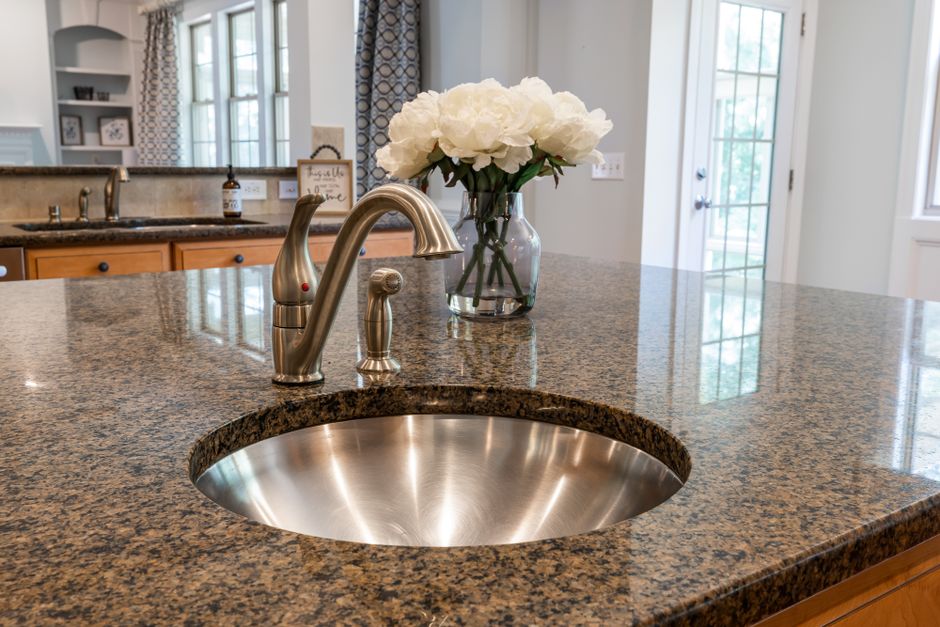
Adhesion fails when the surface energy of the material is too low. High gloss surfaces like polished quartz or marble require a specific type of primer if the manufacturer specifies it. Without proper surface tension, the silicone will bead up instead of wetting the surface. This is a mechanical failure. If the sealant does not wet the edge, it cannot create a chemical bond. This often happens at the seam where two pieces meet, especially if there is residual residue from the templating process left on the stone.
Environmental Factors in Redding, CA
Temperature and humidity play a massive role in how fast a sealant sets. In the heat of Redding, CA, the outer layer of a silicone bead can skin over too quickly. This traps solvents inside the bead. As those solvents eventually evaporate, the bead shrinks and pulls away from the sink cutout or the backsplash. This creates a gap that allows water to seep under a porcelain or soapstone installation. Controlling the cure rate is a matter of managing the environment and the application thickness.
Mechanical Joint Integrity
A proper joint requires a consistent depth. Using a backer rod in large gaps prevents the silicone from sinking too deep and shrinking excessively. This is vital near an undermount sink where water exposure is constant. Whether you are working with a remnant or a full slab, the goal is a uniform bead. Avoid over-tooling the joint. If you press too hard with the spatula, you thin the bead to the point where it lacks the mass to resist movement. This leads to cracking at the seam over time.