Kerf-cutting-for-radius-corners
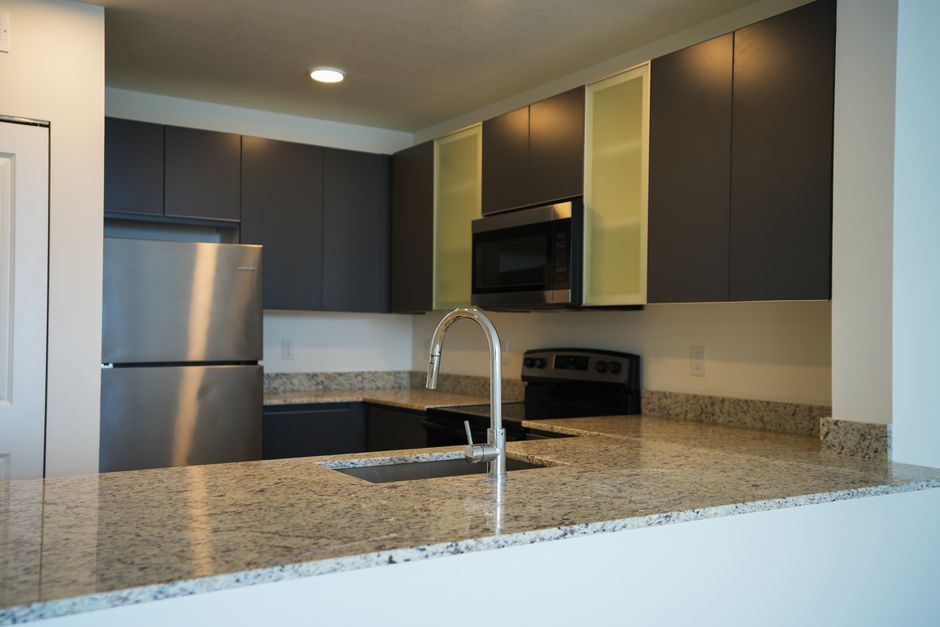
In a curved installation, the depth of every score determines the tightness of the bend. The techniques documented at kitchen countertops redding todaysphoto involve calculating the exact thickness of a slab to ensure the material wraps without cracking. Working with a heavy countertop in Redding, CA requires specific mechanical approaches to manage the stress of a radius. Every bend relies on the precision of the underside cuts to maintain the integrity of the top surface.
The Kerf Cutting Process
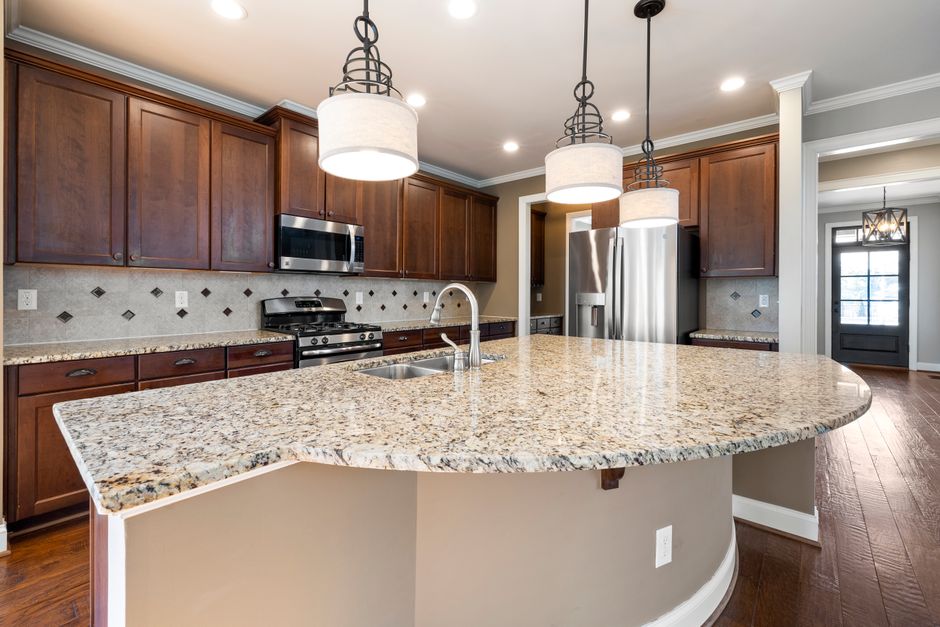
Kerf cutting is a mechanical method used to create a radius in materials like laminate or solid surface. Instead of trying to force a straight piece to bend, a series of parallel slots are cut into the underside of the material. These slots do not go all the way through the piece. They stop just short of the top surface. This creates a flexible spine that allows the material to follow a curve. The closer the spacing between the kerf cuts, the tighter the radius can be. If the cuts are too far apart, the material will kink or snap rather than forming a smooth arc.
Material Selection and Limitations
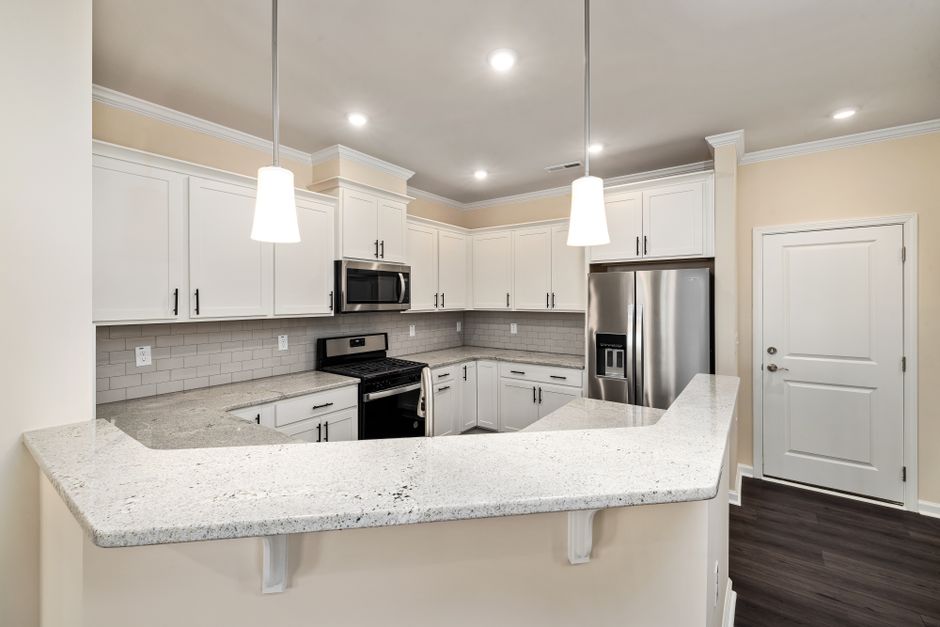
Not every material can undergo this process. Natural stone like granite or quartzite is too brittle for kerf cutting. You cannot score a stone slab to create a bend. For those looking for curved shapes in stone, the material must be cut into segments with a visible seam. However, for synthetic materials or butcher block, kerf cutting provides a seamless look around a corner. This method is most effective when the thickness of the material is sufficient to support the depth of the cuts without compromising the structural stability of the edge profile.
Managing the Bend and Support
Once the cuts are made, the material must be clamped into the desired shape. I have seen many jobs where the bend fails because the support underneath was not consistent. A template is used to verify the arc before any permanent adhesive is applied. When working with a thick material, the depth of the kerf must be measured against the radius. If the kerf is too shallow, the bend will be too wide. If it is too deep, the top surface will fail. This is especially true during the installation of a waterfall edge where the vertical plane must align perfectly with the horizontal plane.
Finishing the Radius
After the material has been bent and secured, the underside of the kerf cuts must be addressed. Often, a filler or a backing material is used to provide a solid foundation. This prevents the material from feeling hollow or weak. For a clean finish, the edge profile should be consistent from the flat section into the curve. Whether you are wrapping a corner or creating a custom sink cutout area, the mechanical tension must be equalized across the entire arc.