Dry-fit shim placement for uneven cabinet tops
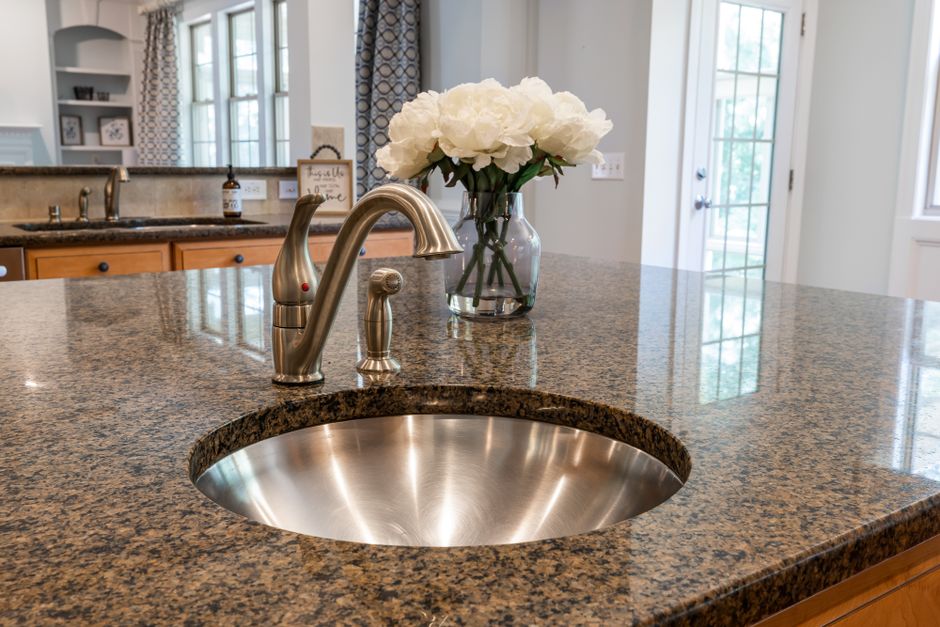
Under a heavy slab, the stability of the entire installation depends on the flatness of the base. The data in the running record kitchen countertops redding todaysphoto holds shows that even a slight dip in the cabinet carcasses will cause a stone countertop to crack during the setting process in Redding, CA. Professional installers must treat the cabinet tops as a dynamic surface rather than a finished one. If the wood is bowed or the leveling legs are uneven, the weight of the stone will create point loads that the material cannot sustain.
Dry-fit shim placement for uneven surfaces
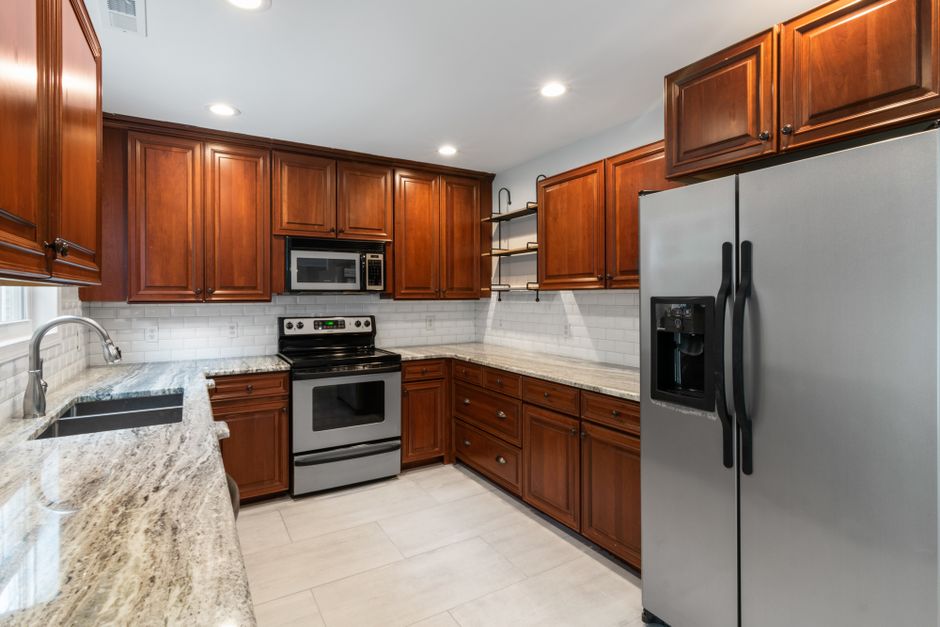
Before any adhesive touches the substrate, a dry-fit must be performed. This means placing the stone on the cabinets without permanent bonding to check for movement. We use high-density plastic shims or specialized leveling wedges to fill the voids between the cabinet top and the underside of the granite or quartz. This step identifies where the cabinets have sagged or where the floor has shifted. Relying on the thickness of the mortar or epoxy to fill large gaps is a mistake. Shims create a mechanical bridge that distributes the load across the entire surface.
Managing the plane for heavy materials
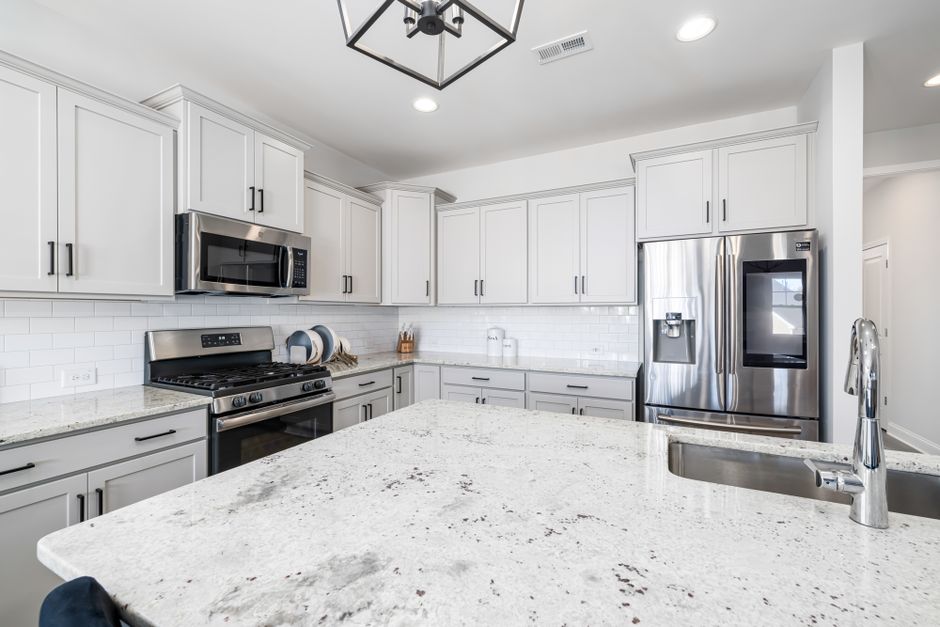
When working with a thick quartzite or a heavy marble slab, the physics of the weight are unforgiving. A single low spot can cause the stone to flex. This flex often leads to a failed seam or a crack near a sink cutout. We place shims at every corner and at regular intervals along the run. If the cabinets are made of particle board or thin plywood, the shims must be placed directly under the vertical supports to prevent the wood from compressing under the weight of the stone. This ensures the slab remains a rigid plane.
Precision near the sink and edges
The area around an undermount sink is a high-stress zone. The cutout removes a significant portion of the material strength, making the remaining strips prone to breaking if the base is not perfectly level. We check the level specifically around the sink cutout and the corners of the appliance cutouts. If the plane is off, we add shims to ensure the stone does not tilt toward the sink opening. This prevents the weight of the stone from concentrating on the thin edges of the cutout.
Finalizing the level before adhesive
Once the shims are in place, we verify the level across the entire length of the run. We check both the front and back edges to ensure there is no twisting. We also check the overhang to make sure the front edge stays consistent. After the level is confirmed, we clean the contact points. The shims stay in place throughout the gluing process. This mechanical support allows the adhesive to act as a bond rather than a filler. This method ensures the slab sits dead level on the cabinets in Redding, CA.