Router bit heat-burn on laminates
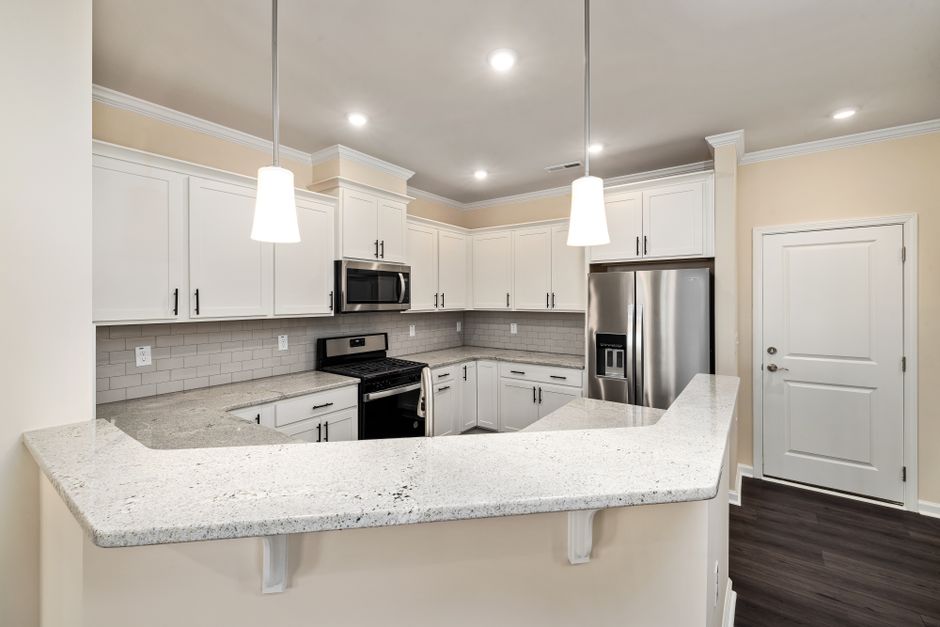
Most installers set the router speed to maximum without checking the material density, and the data found at kitchen countertops redding todaysphoto shows how this ruins a laminate edge profile. Working on a countertop in Redding, CA requires more than just a sharp bit. You have to balance heat friction against the movement of the machine to avoid permanent damage to the plastic surface.
The Mechanics of Thermal Failure
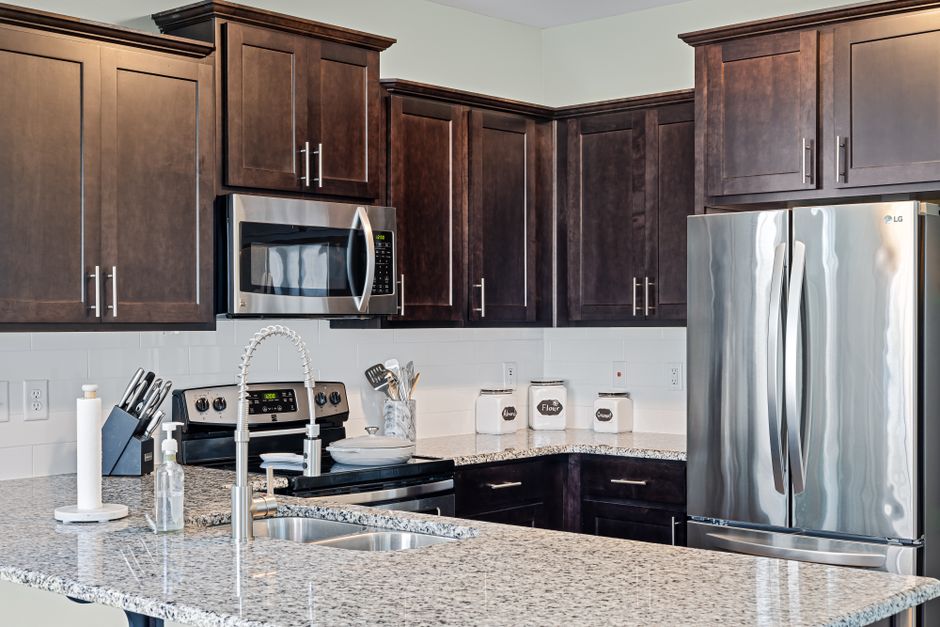
Laminate is essentially a resin soaked paper product. When the router bit stays in one spot for even a fraction of a second, the friction generates enough heat to reach the melting point of the melamine or phenolic resin. This results in a gummy residue that sticks to the carbide teeth. If you try to clean it with a solvent, you often smear the melted plastic deeper into the substrate. This happens more often on a remnant than a full slab because smaller pieces are harder to stabilize on the workbench. A clean eased edge depends on keeping the temperature below the plastic deformation threshold.
RPM and Centrifugal Heat
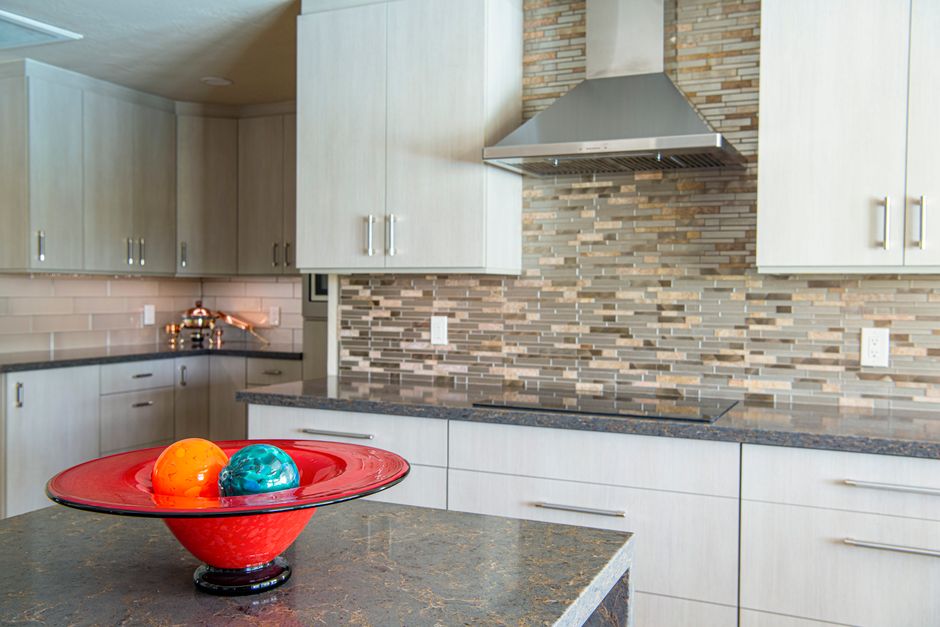
High RPM settings are the primary cause of discoloration. A standard router might run at 20,000 RPM, but for a laminate edge profile, that speed is often too high. High speeds increase the number of impacts per second against the material. If the bit is dull, it does not cut the material, it rubs against it. This rubbing creates a localized heat zone. You should aim for a lower RPM range to ensure the bit is actually shearing the plastic rather than grinding it. This is a different calculation than what you would use for a butcher block or a piece of quartz.
Feed Rate and Tool Pressure
The feed rate must stay constant. If the operator slows down to follow a complex curve or a sink cutout, the heat builds up rapidly. Slow movement allows the bit to dwell in one area. This dwell time is what causes the characteristic brown scorch marks. You need a steady, aggressive feed rate that moves the bit through the material faster than the heat can soak into the core. Even on a simple bullnose shape, a hesitation will leave a permanent mark that cannot be sanded out because the plastic has chemically changed.
Bit Geometry and Material Interaction
The shape of the bit matters as much as the speed. A bit with too much flute length will trap heat in the grooves. For laminate work, use a bit designed for clean shearing. When working near a seam or a waterfall edge, the stability of the router is vital. Any vibration adds to the friction. If you are transitioning from a solid surface to a laminate section, remember that the thermal properties are not the same. Always test your settings on a scrap piece before committing to the final edge.